
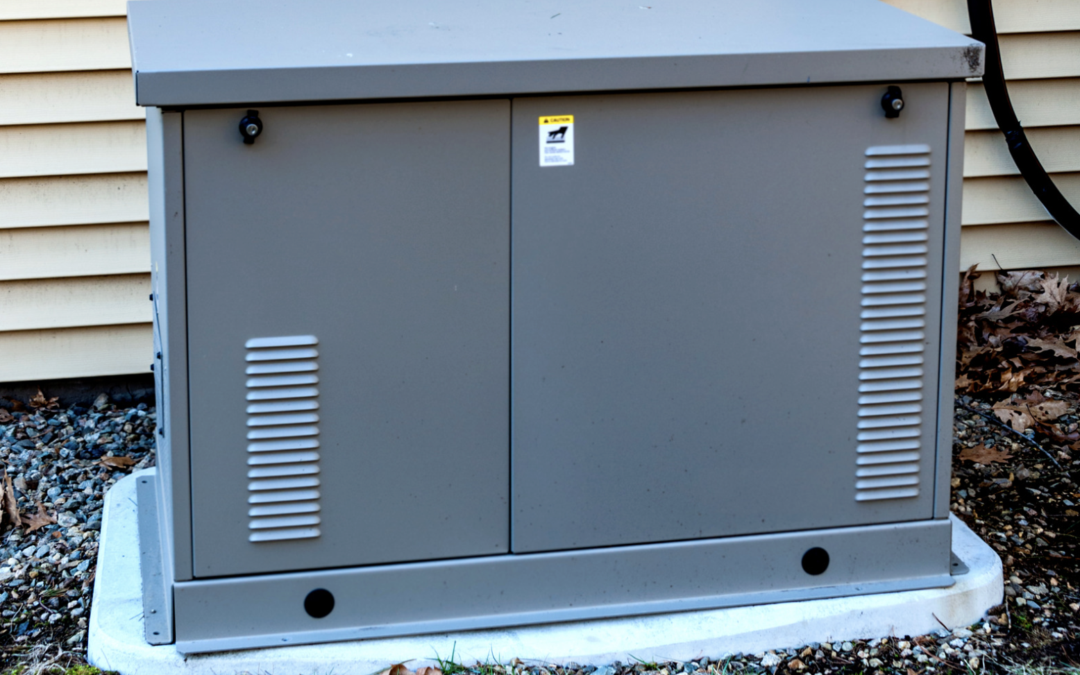
Picking a generator size sounds like it should be simple, until you start comparing models and realize the range runs from small units that barely cover a refrigerator to systems built to run an entire house. Get the size wrong in either direction and you end up with a real problem. Too small, and your generator trips or shuts down the moment you ask it to do too much. Too large, and you are paying for capacity and fuel consumption you never actually use.
Why Generator Sizing Actually Matters
A generator that is undersized will struggle the moment multiple appliances try to draw power at once, and a struggling generator tends to shorten its own lifespan by running under constant strain. An oversized unit avoids that problem but often means a larger upfront cost and more fuel use than your home ever needed in the first place. The right size sits in between, covering what you actually want powered without paying for capacity that never gets used.
That balance starts with a clear picture of what you want the generator to run, which is the first real decision in the sizing process.
Deciding What You Want the Generator to Power
Before anyone can recommend a specific kW rating, you need to decide how much of your home the generator actually needs to cover.
Essential Circuits Only
Some homeowners only want the basics covered: refrigerator, a few lights, a well pump, and maybe a window unit or two. This approach uses a smaller generator and a lower installation cost, and it works well for anyone mainly concerned with food safety, water access, and a few key comforts during a short outage.
Whole House Coverage
Other homeowners want everything running as if nothing happened, central air conditioning included. That requires a larger generator and, in many cases, a bigger fuel setup to match, but it means the outage barely changes daily life beyond knowing the grid is down.
Once you know which of these fits your household, the next step is translating that choice into an actual generator size.
How Contractors Size a Whole Home Generator
Sizing a generator is not just square footage divided by some formula. A licensed installer typically performs a load calculation that accounts for your home’s square footage, the specific appliances and circuits you want covered, and the starting wattage of anything with a compressor or motor, since those draw more power for a moment when they first switch on than they do while running. Central air conditioning in particular has a bigger starting load than most other household appliances, which is one reason whole house coverage usually calls for a noticeably larger unit than essential-circuit coverage does.
That calculation is also where fuel type enters the picture, since natural gas and propane systems are sized somewhat differently depending on what is available at your property.
General Size Ranges to Expect
Residential standby generators are typically available in a range from around 10 kW up to 26 kW or more for larger homes, with smaller units in that range generally suited to essential circuits and larger units built for whole house coverage, including central air conditioning. According to the U.S. Department of Energy’s guidance on backup power, matching generator capacity to your home’s actual electrical load is one of the most important factors in getting reliable performance during an outage. These figures are general industry ranges, and the right size for your specific home still depends on the details of your electrical system.
That is also why an online sizing calculator, while useful for a rough idea, is not a substitute for someone actually looking at your panel and your home.
Why a Professional Load Calculation Beats Guessing
A generic size chart cannot account for the specific mix of appliances in your home, your panel’s current capacity, or which circuits you actually want backed up. A professional load calculation catches details a chart misses, like an older panel that might need an upgrade before it can support a larger generator, or a home with an unusually high number of high-draw appliances on one circuit. Getting that evaluation done before you buy anything avoids the two most common sizing mistakes: choosing a unit too small to reliably run what you need, or overspending on capacity you were never going to use.
Trust Trademark Electric With Your Generator Needs
If you are ready to move past guesswork, Trademark Electric offers a free in-home consultation to evaluate your panel and recommend the right generator size for your home, whether you want just the essentials covered or full whole house protection. Our team walks you through the sizing decision as part of scheduling your generator installation, so you know exactly what you are getting before any work begins. Give us a call or schedule an appointment online to get started.
Recent Comments